 Image 1 of 1
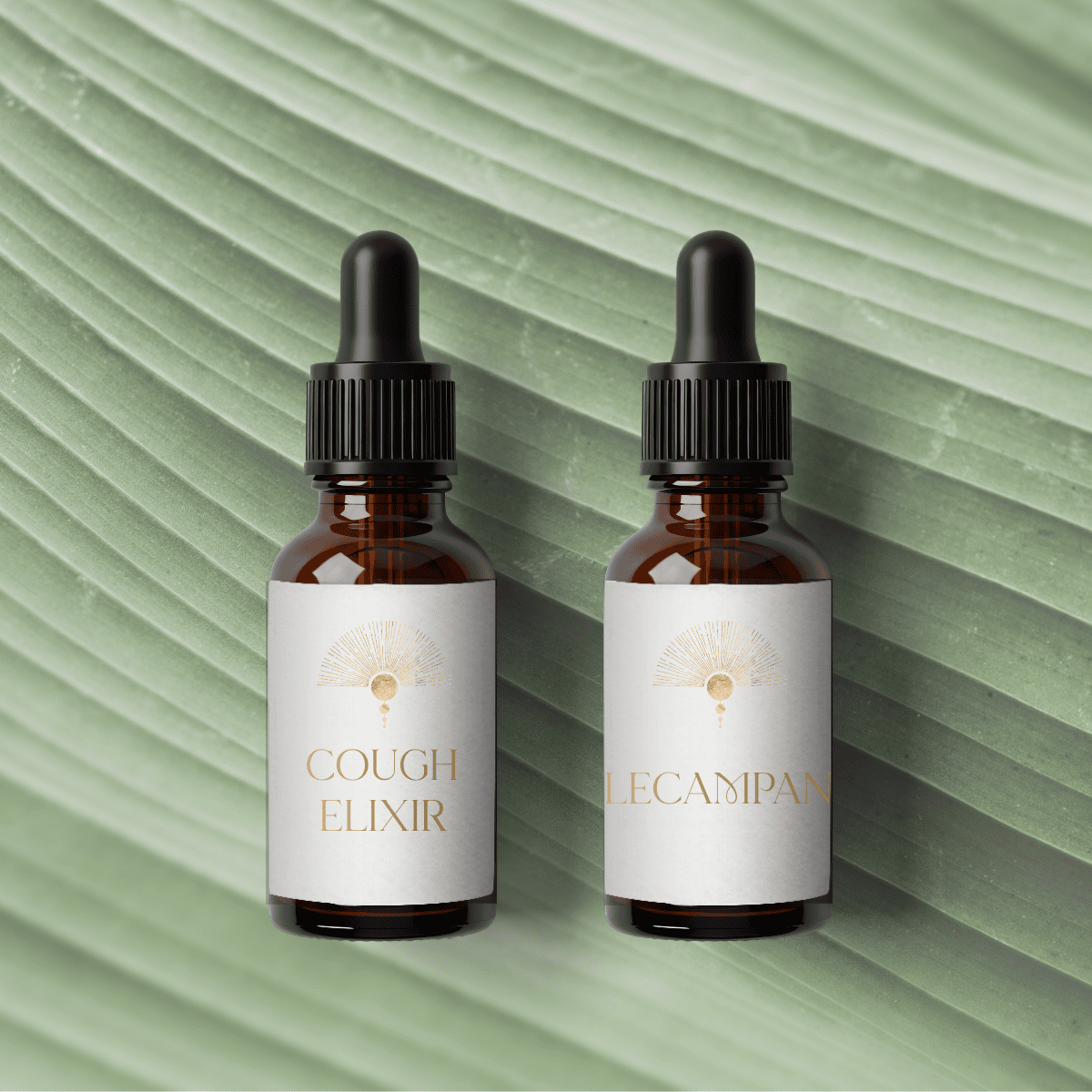
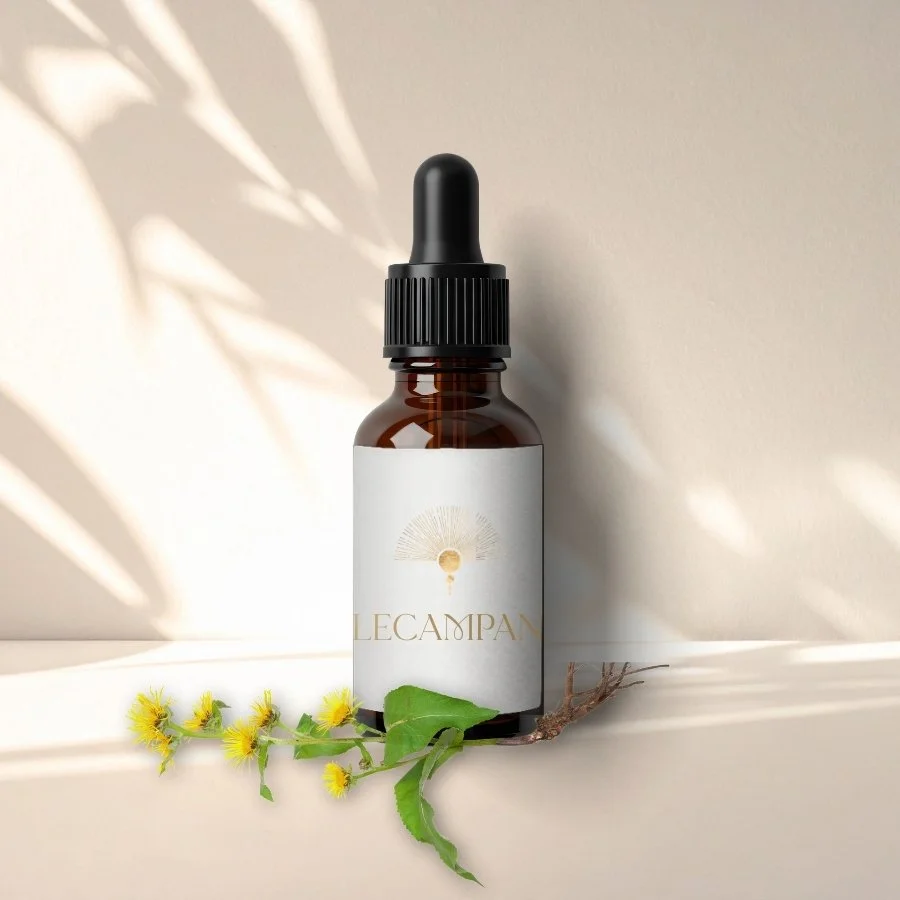
How Elecampane Works:
-
Elecampane contains inulin and essential oils that help break up and expel excess mucus from the lungs.
-
Its anti-inflammatory and calming properties ease irritation in the throat and bronchial passages.
-
As a bitter, Elecampane also supports digestion and gut health, especially in cases of damp stagnation or poor appetite during illness.
-
In traditional uses, Elecampane is said to clear “stuck grief” in the chest, offering emotional as well as physical support.
How Cough Elixir Works:
-
Reduces Inflammation: Anti-inflammatory compounds in wild cherry bark help ease respiratory tract discomfort, making breathing easier and more comfortable.
Soothes Irritated Tissues: Its demulcent properties coat and calm inflamed mucous membranes, reducing throat irritation caused by colds, bronchitis, or seasonal allergies.
Cough Suppressant: Wild cherry bark contains natural antitussive (cough-suppressant) compounds that calm the cough reflex, making it particularly effective for dry, spasmodic, or persistent coughs.
Mild Sedative and Relaxant: Its gentle sedative properties help calm restlessness and promote relaxation, making it an excellent choice for nighttime cough relief.
-
Indigenous peoples used wild cherry bark infusions and decoctions to address coughs, bronchial inflammation, and conditions like bronchitis.
Some tribes also employed wild cherry bark to help reduce fevers and support digestive health, particularly for nausea or upset stomachs.
-
Clove : A warming, aromatic spice that supports circulation, eases stagnation, and brings gentle antimicrobial action to the respiratory system.
Cinnamon : Promotes warmth and movement in the chest, helping mobilize mucus while supporting overall respiratory comfort.
Raw Honey : Offers a soothing, demulcent coating for the throat while providing gentle antimicrobial and anti-inflammatory support.
*These statements have not been evaluated by the Food and Drug Administration. This product is not intended to diagnose, treat, cure, or prevent any disease.*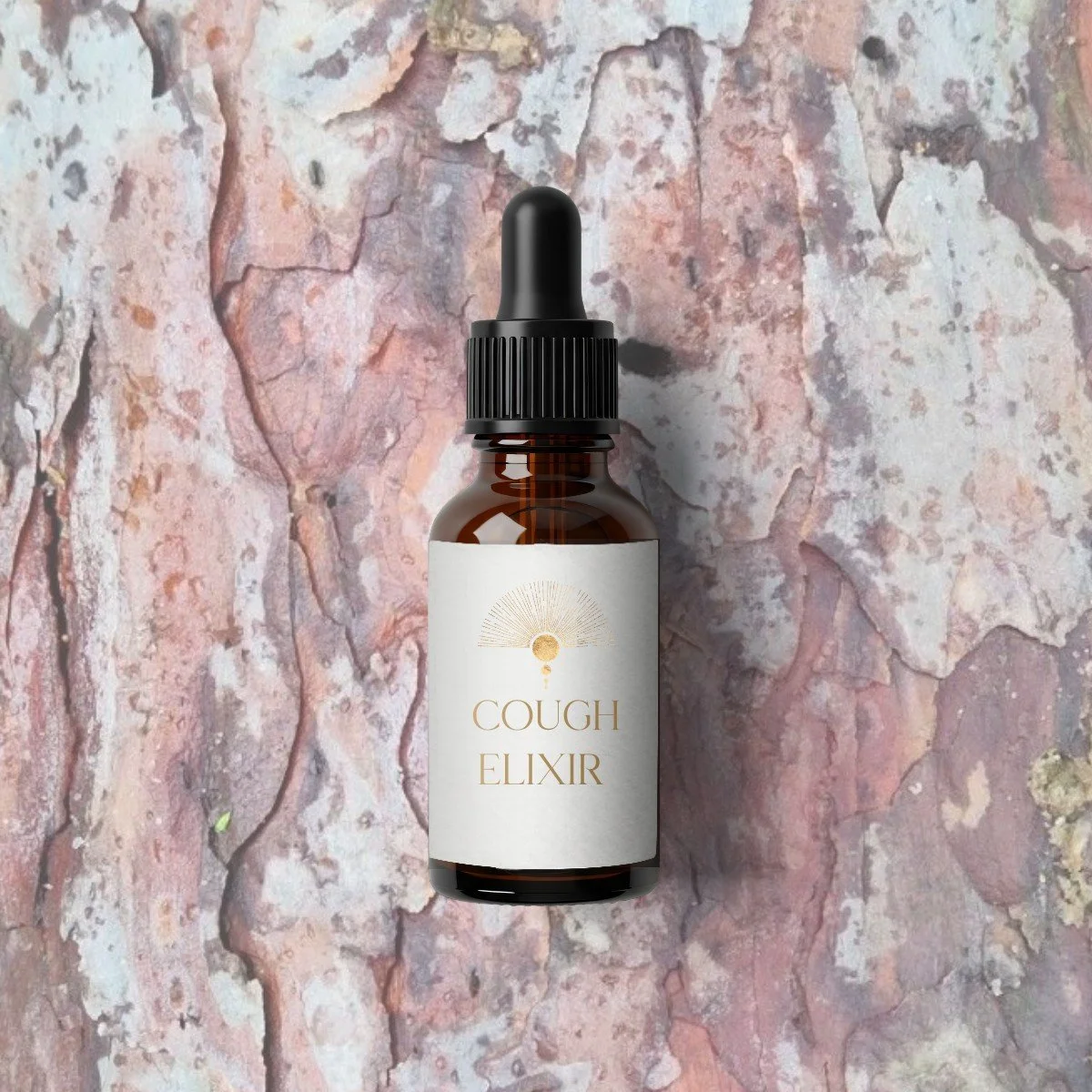
Seasonal Respiratory & Allergy Relief
Benefits
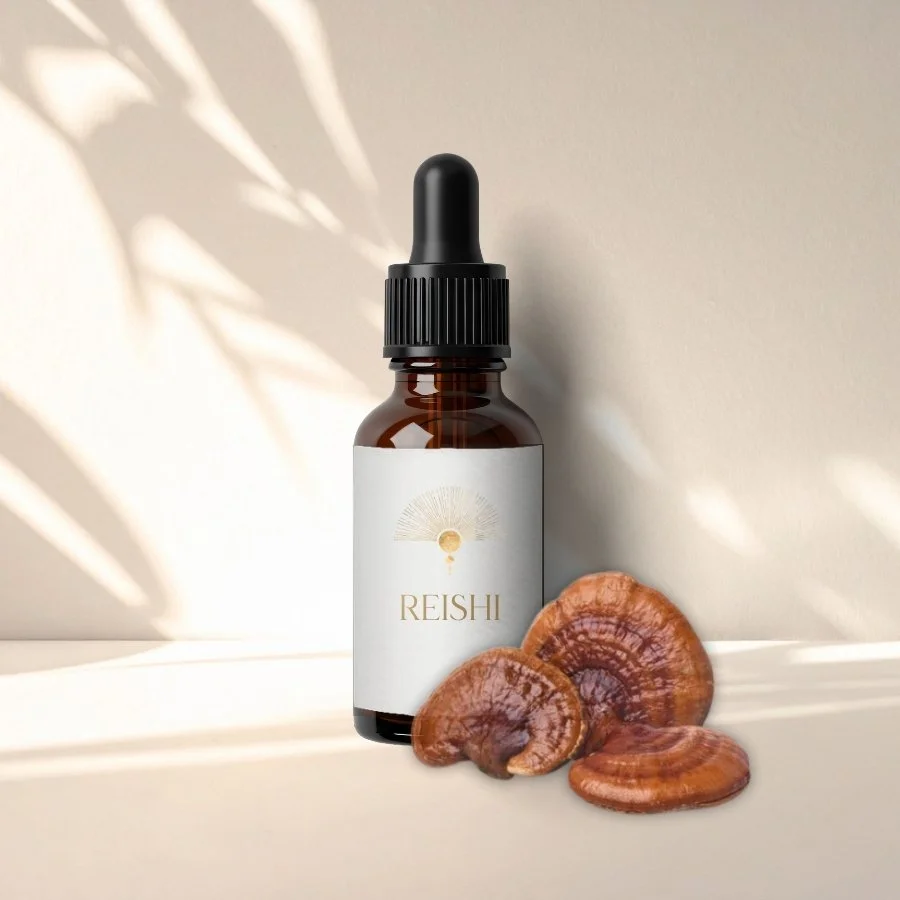
Breathe Clear is a gentle seasonal ally crafted to support the body through times of environmental sensitivity. Goldenrod and nettle help modulate the histamine response and calm itchy, congested symptoms, while sage soothes the throat and sinuses. Reishi offers deeper immune resilience, helping the body respond more gracefully to seasonal triggers. Raw local honey coats and comforts irritated tissues and is traditionally used to help the body gradually acclimate to local pollens.
Ingredients: Goldenrod, Nettle, Sage, Reishi, Raw Local Honey, Non-GMO Glycerin, Distilled Water, Gluten Free Vodka
Suggested Dosage: 1–2 droppers up to 3x daily throughout allergy season or when symptoms arise
Size: 2 ounces
Serving Size: 1 mL/ 20 drops/ one dropper full
Servings Per Container: 60